Bhutan Travel Guide: Inside the Kingdom of Happiness

Bhutan is not just a country; it’s a deliberate anomaly. Sandwiched between the giants of China and India, this tiny Himalayan kingdom has managed to do something the rest of the world considers impossible: it has prioritized happiness over wealth.
Known locally as Druk Yul (Land of the Thunder Dragon), Bhutan remained closed to the outside world until the 1970s. Today, it remains one of the most exclusive and pristine destinations on Earth. There are no traffic lights in the capital. Plastic bags are banned. Tobacco is illegal. And the air is so clean it shocks your lungs. This guide will take you deep into the last Shangri-La.
Gross National Happiness: More Than a Slogan
In most of the world, success is measured by GDP (Gross Domestic Product). In Bhutan, the constitution mandates that the government must focus on GNH (Gross National Happiness). This philosophy rests on four pillars:
- Sustainable and equitable socio-economic development.
- Preservation and promotion of culture.
- Conservation of the environment.
- Good governance.
This isn't just marketing. Can you name another country that is carbon negative? Bhutan absorbs more carbon than it emits, thanks to a law that requires 60% of the country to remain forested forever (currently it's over 70%).
The Cost of Entry: Understanding the SDF
Bhutan operates on a "High Value, Low Volume" tourism policy. It does not want backpackers or mass tourism destroying its fragile ecosystem.
The Daily Fee: As of 2026, visitors must pay a Sustainable Development Fee (SDF) of roughly $100-$200 USD per person, per night. This is on top of your hotel, food, and guide costs.
Where does the money go? It funds free healthcare and education for Bhutanese citizens. When you visit Bhutan, you are directly contributing to the nation's welfare. It transforms tourism from an extractive industry into a supportive one.
Essential Destinations
1. Paro Taktsang (Tiger's Nest)
The icon of Bhutan. This monastery clings precariously to a sheer cliff 900 meters above the Paro valley. Legend says Guru Rinpoche, the father of Bhutanese Buddhism, flew here on the back of a tigress to subdue a demon.
The Hike: It takes about 2-3 hours to climb up. The altitude (3,120m) will have you gasping, but the view of the monastery emerging from the mist is a spiritual experience unmatched anywhere in Asia.
2. Punakha Dzong
Bhutan is famous for its Dzongs—massive fortress-monasteries that serve as both administrative centers and temples. Punakha is the most beautiful. Located at the confluence of the Mo Chhu (Female) and Pho Chhu (Male) rivers, it is a masterpiece of Bhutanese architecture. In spring, the lilac jacaranda trees bloom against the whitewashed walls, creating a scene out of a fairy tale.
3. Phobjikha Valley
A vast U-shaped glacial valley that feels like the roof of the world. It is the winter home of the rare Black-Necked Cranes that migrate from Tibet. The locals revere these birds so much that the electricity cables in the valley are buried underground to prevent the cranes from colliding with them.
Culture and Festivals
Try to time your visit with a Tshechu. These are religious festivals held in Dzongs where masked monks perform chaams (dances) to cleanse the onlookers of sin. It is a riot of color, drums, and community spirit. The locals dress in their finest Kira (for women) and Gho (for men), and the atmosphere is electric with devotion and joy.
Bhutanese Cuisine: Can You Handle the Heat?
If you don't like chili, you're in for a surprise. In Bhutan, chili is not a spice; it is a vegetable.
- Ema Datshi: The national dish. It is literally chilies (Ema) cooked in cheese (Datshi). It is spicy, creamy, and served with red rice at almost every meal.
- Momo: Himalayan dumplings filled with pork, beef, or cheese.
- Suja: Butter tea. Salted tea churned with yak butter. It’s an acquired taste for Westerners but essential for cold Himalayan mornings.
Travel Tips
- Guides are Mandatory: You cannot travel independently in Bhutan (except for Indian/Bangladeshi/Maldivian nationals). You must book through a registered tour operator.
- Altitude Sickness: Thimphu and Paro are at roughly 2,300m. Drink plenty of water and take it easy your first day.
- Dress Code: When visiting Dzongs and temples, you must dress modestly. Long sleeves and long trousers are required.
Visiting Bhutan changes you. It forces you to slow down, to look up from your phone (data is spotty anyway), and to question what "wealth" really means. It is not an easy or cheap trip, but it is one of the few remaining places where magic still feels plausible.
Test Your Knowledge
Based on this article, you might like these interactive tests.

Conversations (0)
Join Our Newsletter
Be the first to know about new articles and discoveries.
Share this article
You might also like
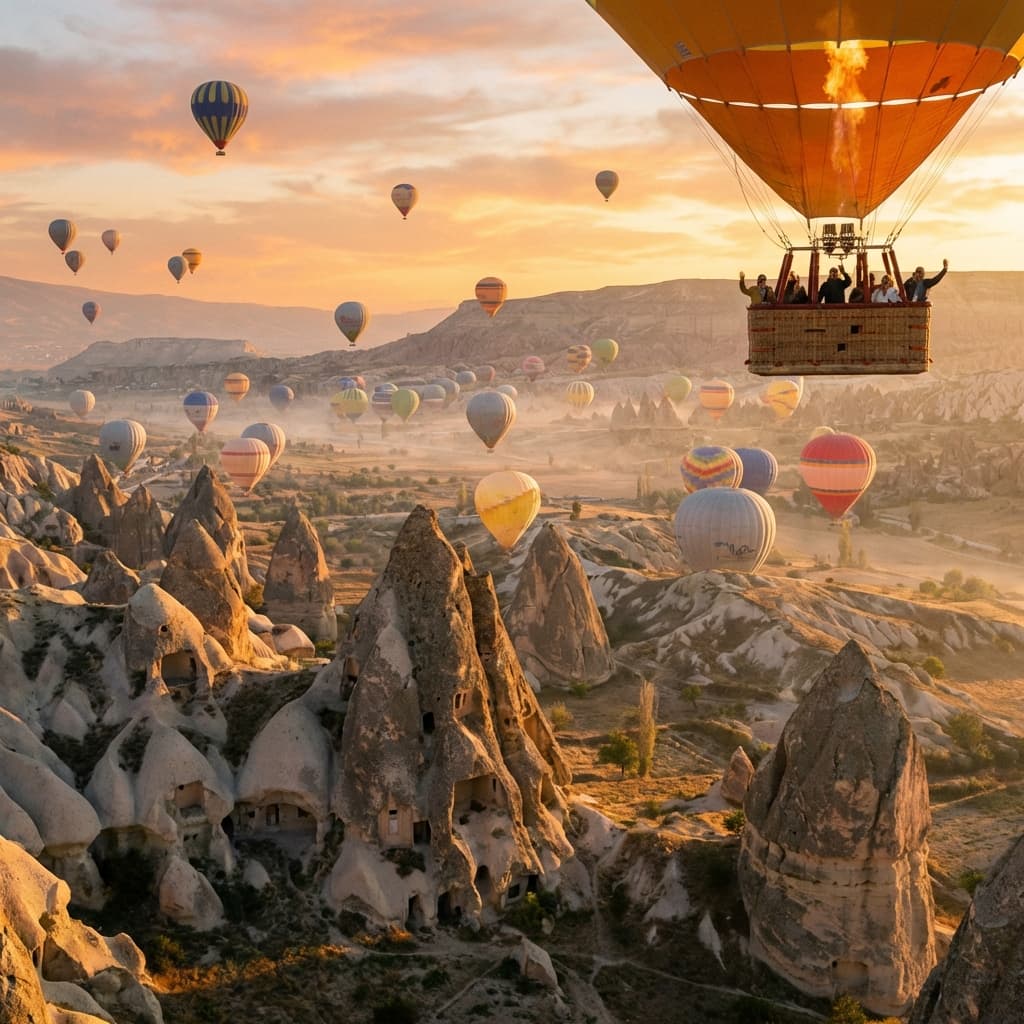
Cappadocia Travel Guide: Losing Yourself in the Land of Beautiful Horses
More than just hot air balloons. A complete guide to the underground cities, fairy chimneys, and ancient valleys of Turkey's magical region.
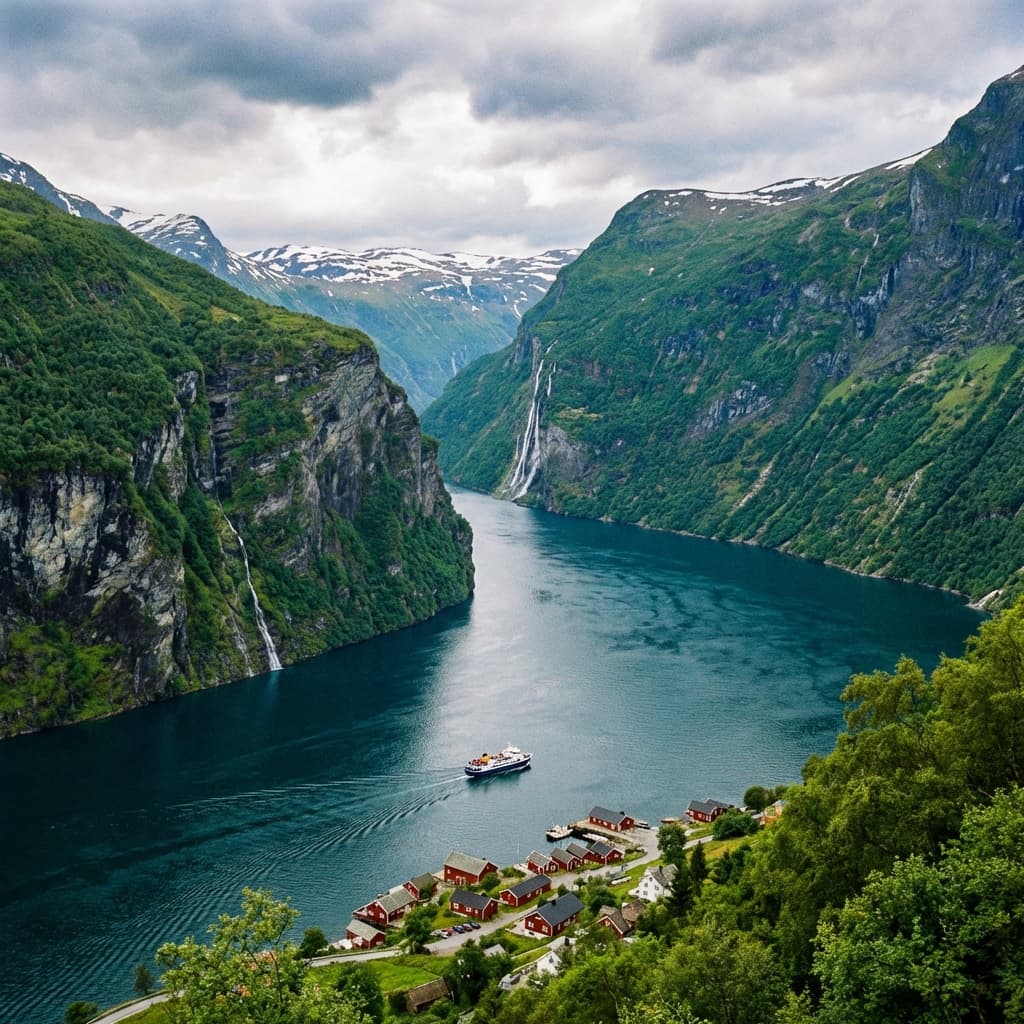
The Norwegian Fjords: A Journey Through Nature's Cathedral
Silence, cliffs, and deep blue water. Why Norway's fjords are the ultimate destination for finding peace in a chaotic world.
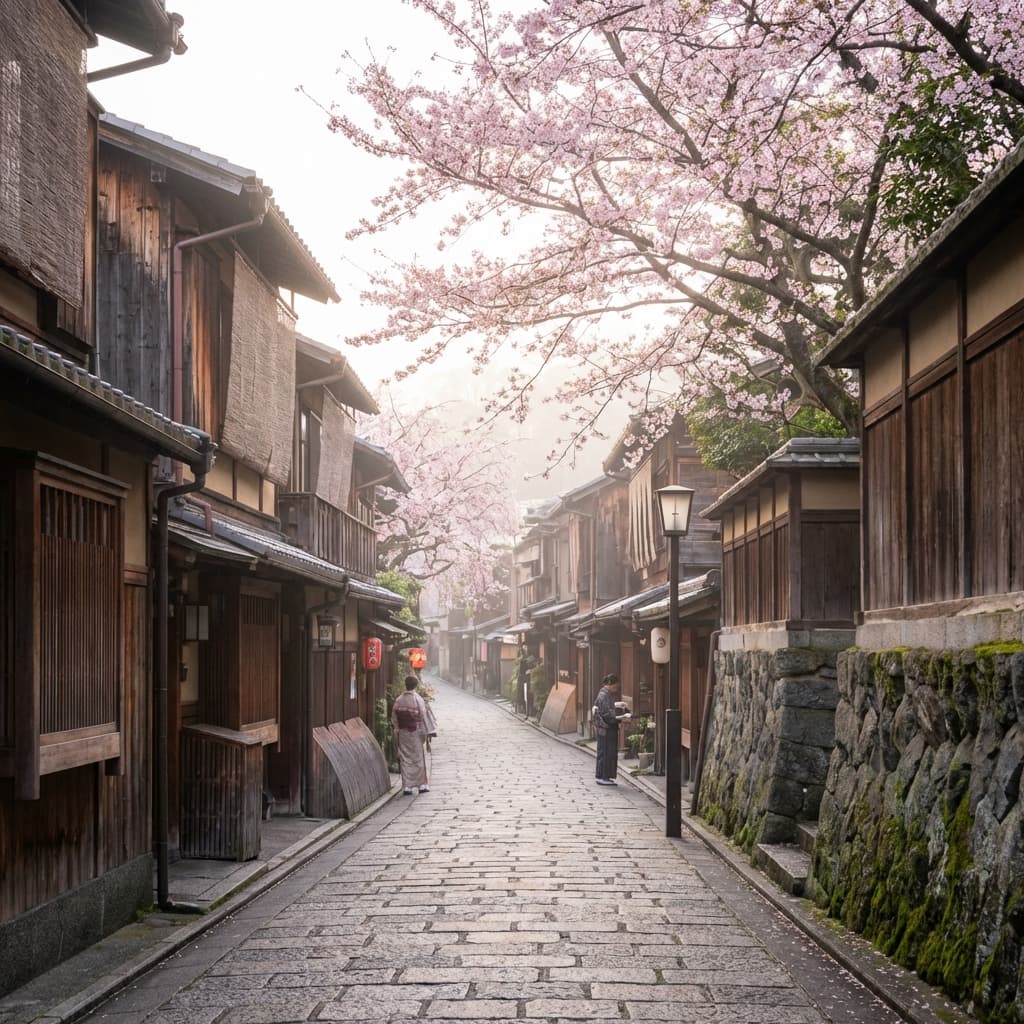
Hidden Japan: A Journey to the Villages Time Forgot
Beyond the neon chaos of Tokyo exists another Japan. Silence, moss, and shadows. Discover the secret hamlets where the Samurai spirit still lingers.