Cappadocia Travel Guide: Losing Yourself in the Land of Beautiful Horses
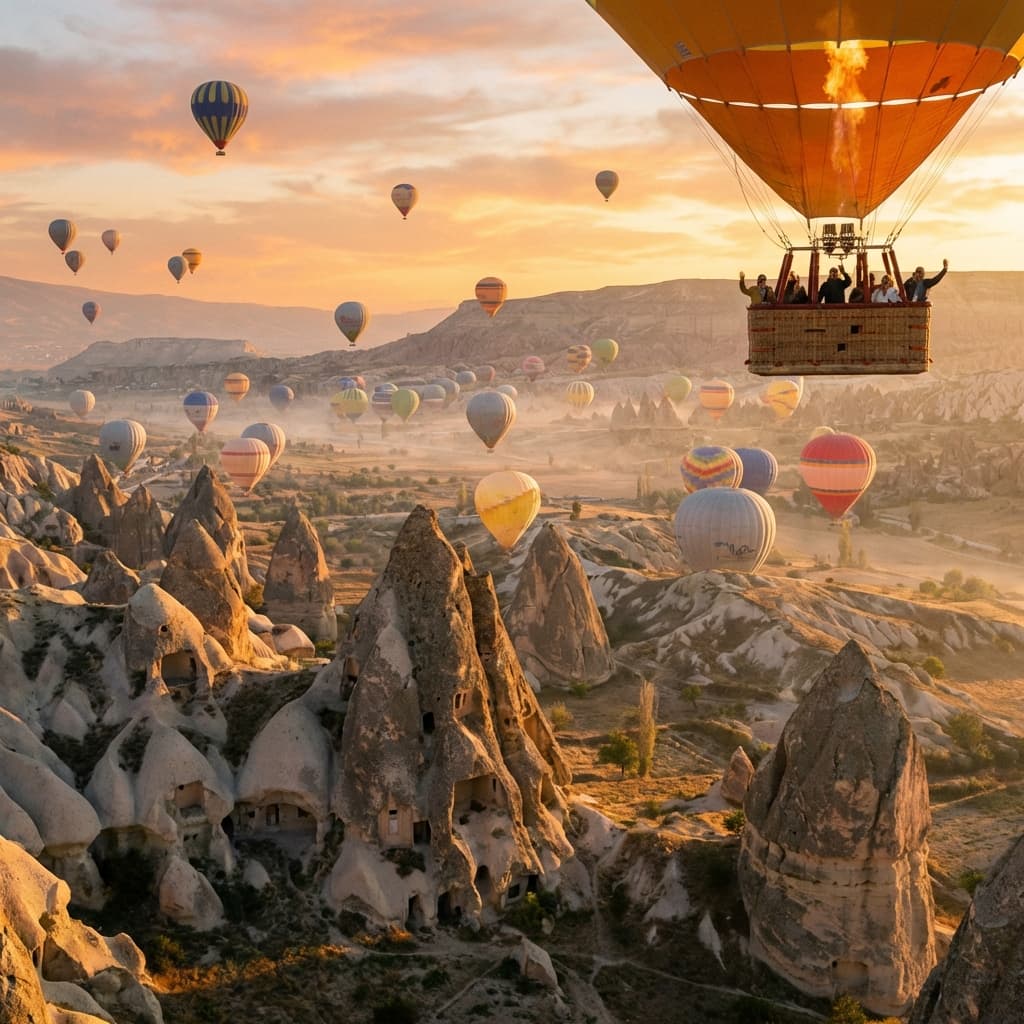
There are places on Earth that look like they belong on another planet. Iceland, the Salar de Uyuni in Bolivia, and then there is Cappadocia. Geological whimsy, millennia of erosion, and human ingenuity have combined here to create a landscape that is utterly unique.
Located in the heart of Anatolia, Turkey, Cappadocia (from the Persian Katpatuka, meaning "Land of Beautiful Horses") is a fairy tale carved in stone. It is a place where people have lived inside rocks for thousands of years, where entire cities exist underground, and where the sunrise is greeted by hundreds of colorful balloons. This is your ultimate guide.
The Geology: Nature's Sculpture Park
Millions of years ago, three volcanoes—Erciyes, Hasan, and Melendiz—erupted, covering the plateau with thick ash and lava. Over eons, wind and rain eroded the soft volcanic rock (tuff), leaving behind the harder basalt caps. The result? The iconic "Fairy Chimneys" (Peribacaları) that dot the landscape today. It is a lesson in patience; nature is the slowest and most talented artist of all.
The Balloon Ride: Is It Worth the Hype?
Let’s address the elephant in the room. Hot air ballooning is expensive (often €150-€250 per person) and requires a 4:30 AM wake-up call. Is it worth it?
Absolutely along with a resounding 'Yes'.
It is not just about the flight; it is about the scale. Floating in total silence (interrupted only by the burner) as you drift millimeters away from a jagged rock spire, observing the sunrise paint the valley in hues of violent orange and soft pink, is a spiritual experience. Seeing hundreds of other balloons hanging in the air like lanterns creates a surreal atmosphere you cannot find anywhere else on the globe. Book in advance—flights get cancelled if wind speeds are too high.
Underground Cities: A Masterclass in Survival
While the balloons own the sky, the real secrets are below your feet. Cappadocia is riddled with underground cities, built by early Christians escaping Roman persecution and later Arab raids.
- Derinkuyu: The deepest of them all, plunging 85 meters (280 ft) deep. It could house 20,000 people along with their livestock. Walking through its narrow tunnels, you’ll find ventilation shafts, chapels, wine presses, and even schools. It is a claustrophobic but awe-inspiring testament to human resilience.
- Kaymakli: Wider and more sprawling than Derinkuyu, many find it less claustrophobic. It consists of eight floors (four are open to visitors) connected by sloping corridors.
Hiking the Valleys
You can see Cappadocia from the air, but you must feel it from the ground. The valleys offer some of the best hiking in Turkey.
Red and Rose Valleys (Kızılçukur)
Named for the color the rocks turn at sunset, these trails wind through vineyards and hidden cave churches that still bear frescoes from the 10th century. The paths are moderate, but the views are spectacular. Stop at the famous "Star Wars Café" (a tea house carved into a rock) for fresh pomegranate juice.
Love Valley
Known for its... interestingly shaped rock formations. It’s a relatively flat hike and offers great perspective on the sheer height of the fairy chimneys.
Open Air Museums
Göreme Open Air Museum is non-negotiable. This UNESCO World Heritage site is a monastic complex of rock-cut churches featuring the best-preserved Byzantine frescoes in the world. The Dark Church (Karanlık Kilise) requires an extra ticket but is essential—because it has practically no windows, the paintings of Christ and the Apostles look as vibrant as the day they were painted 800 years ago.
Where to Stay: The Cave Hotel Experience
You cannot come to Cappadocia and stay in a regular concrete block. The "Cave Hotel" is part of the charm.
- Göreme: The backpacker and heart of the action. Most restaurants and tour agencies are here.
- Uçhisar: The luxury hilltop option. It offers the best views (especially from Uçhisar Castle) and high-end boutique hotels.
- Ürgüp: A mix of modern and traditional, famous for its wine production and nightlife.
A Taste of Anatolia: What to Eat
Cappadocians are masters of clay. In the town of Avanos, the Red River provides the clay for pottery that has been made here since the Hittites (2000 BC). This pottery isn't just for decoration; it's for cooking.
Testi Kebabı (Pottery Kebab): Meat, vegetables, and garlic are sealed in a clay pot and slow-cooked for hours in a tandoor oven. The waiter brings the flaming pot to your table and cracks it open with a hammer in front of you. It’s theater, sure, but the taste is incredibly tender and rich.
Practical Tips
- Museum Pass: Buy the "MuseumPass Cappadocia". It covers the Open Air Museum, Underground Cities, and Ihlara Valley, saving you money and time in queues.
- Transport: While minibuses exist, renting a car gives you the freedom to explore diverse spots like the remote Ihlara Valley or the Selime Cathedral at your own pace.
- Seasons: Spring (April-May) and Autumn (September-October) are ideal. Summer is scorching hot; Winter is magical with snow but fewer balloons fly.
Test Your Knowledge
Based on this article, you might like these interactive tests.

Conversations (0)
Join Our Newsletter
Be the first to know about new articles and discoveries.
Share this article
You might also like
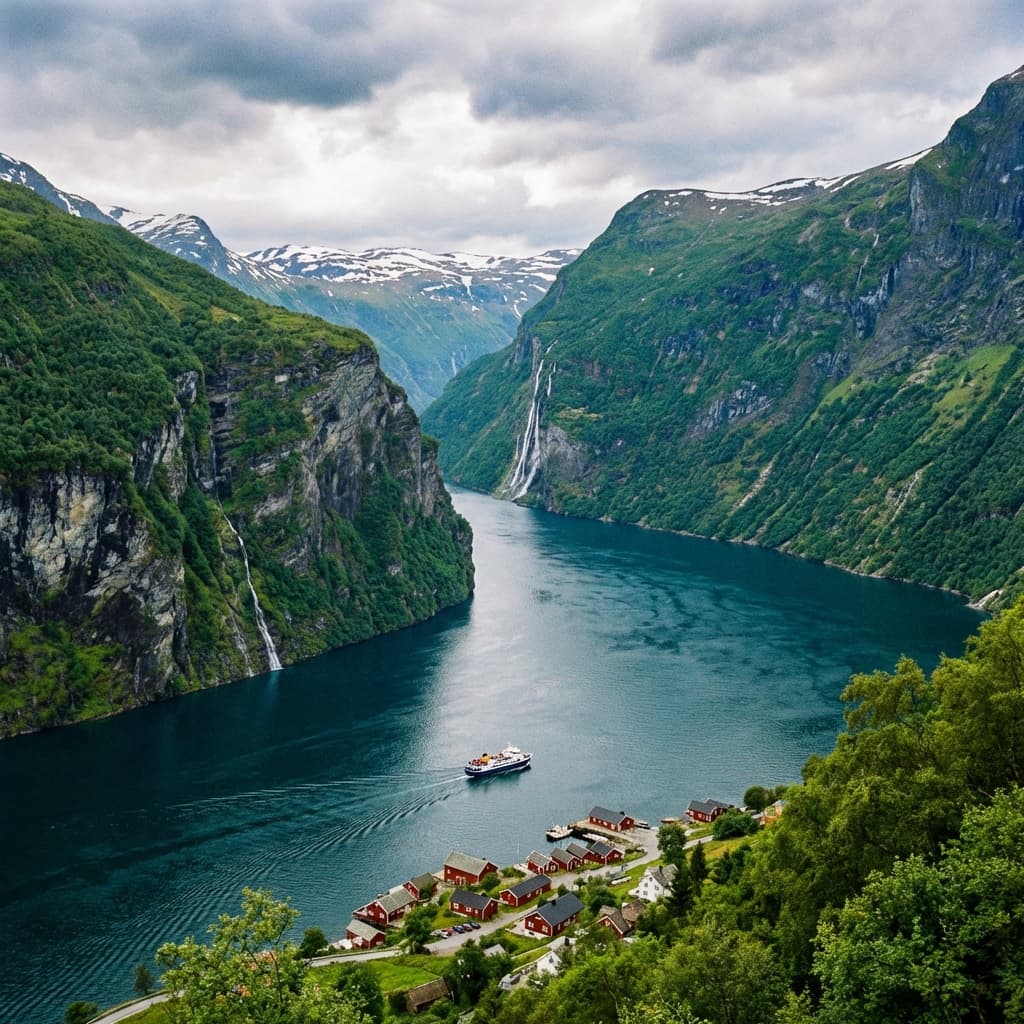
The Norwegian Fjords: A Journey Through Nature's Cathedral
Silence, cliffs, and deep blue water. Why Norway's fjords are the ultimate destination for finding peace in a chaotic world.
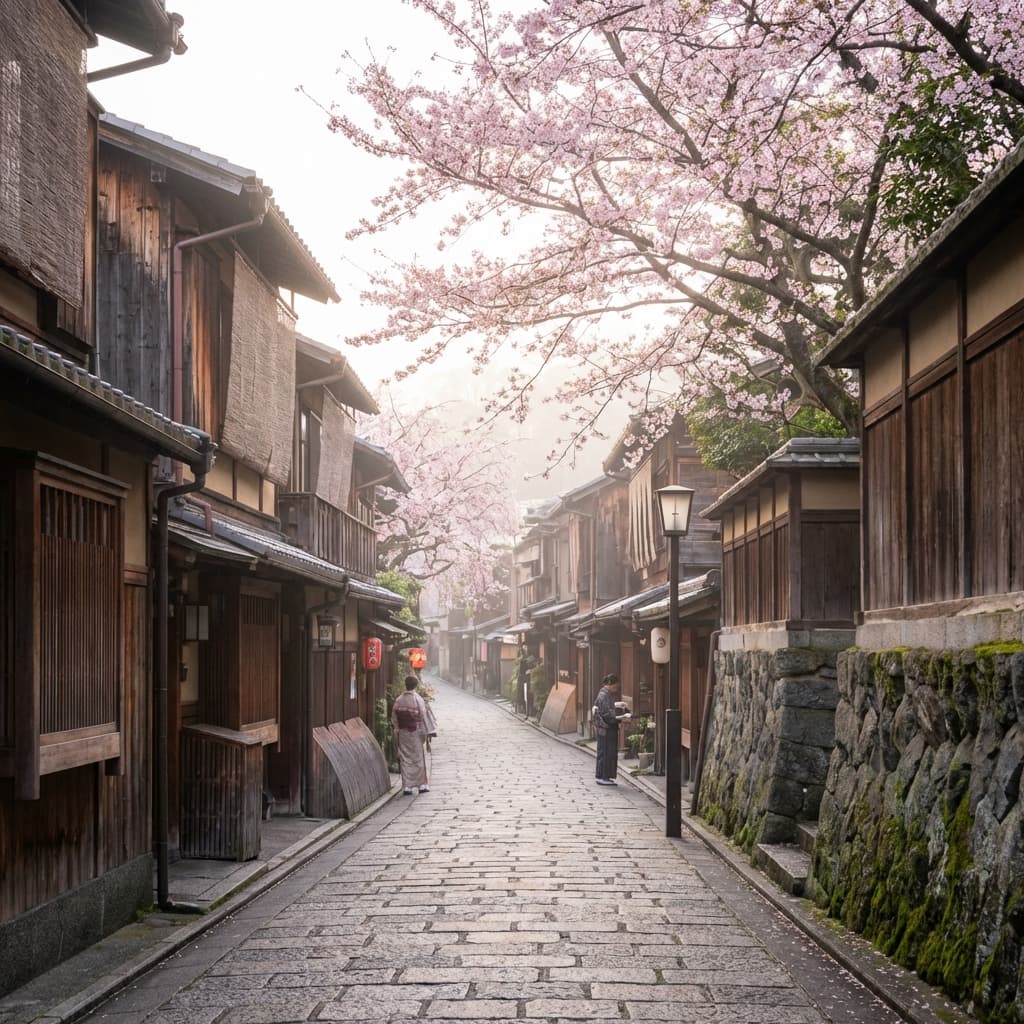
Hidden Japan: A Journey to the Villages Time Forgot
Beyond the neon chaos of Tokyo exists another Japan. Silence, moss, and shadows. Discover the secret hamlets where the Samurai spirit still lingers.

Patagonia: A Guide to the End of the World
Wind, granite, and ice. Exploring the raw, untamed wilderness of Chile and Argentina. This is not a vacation; it's an adventure.