Hidden Japan: A Journey to the Villages Time Forgot
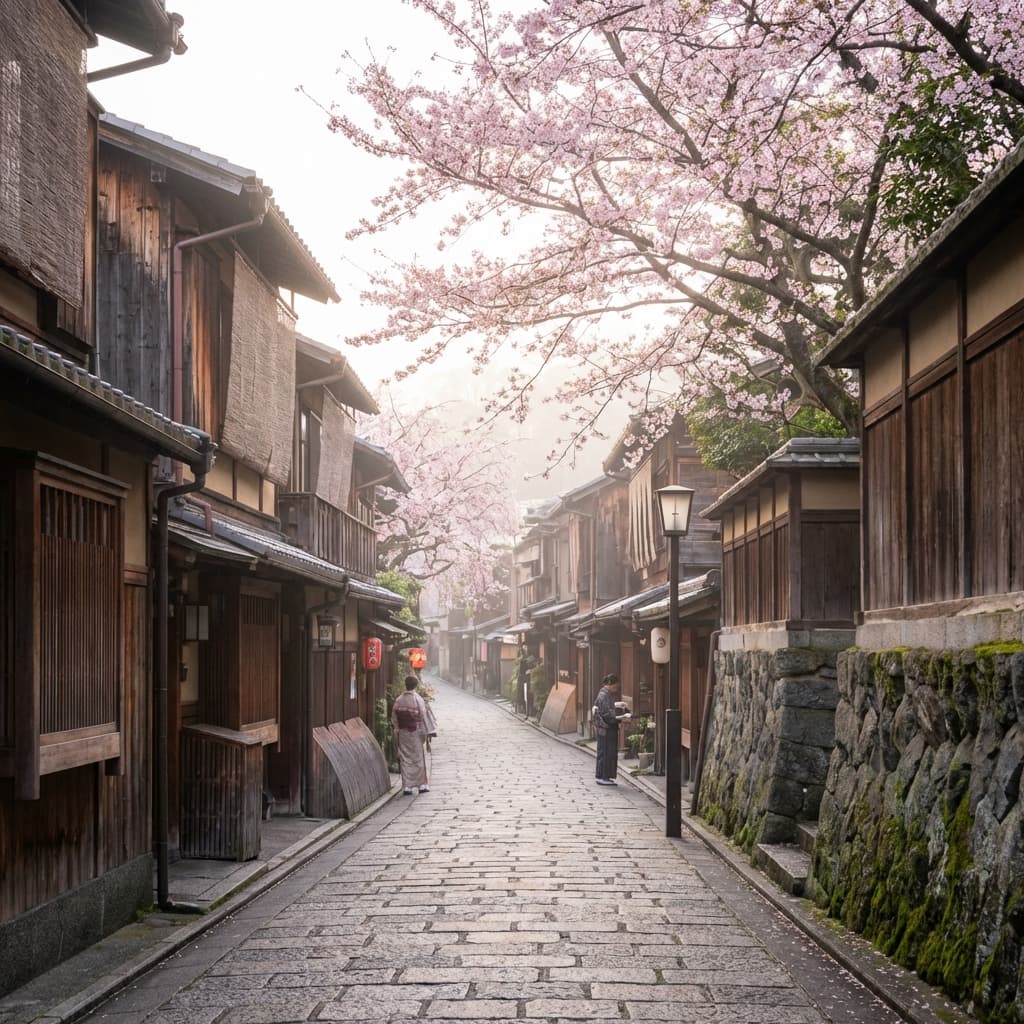
When we think of Japan, we often picture the 'Scramble Crossing' in Shibuya—thousands of people, blinding neon lights, and the relentless hum of the ultra-modern. But that is only the skin of the country. To find its soul, you must leave the Shinkansen (Bullet Train) lines and head into the immense green stillness of the mountains.
70% of Japan is mountainous and uninhabited. But tucked into the folds of these misty peaks are villages that have refused to enter the 21st century. This is Inaka (the countryside), where the concept of Ma (negative space) defines life, and silence is considered a conversation.
Shirakawa-go: The Hands in Prayer
Deep in the Gifu prefecture lies a village that feels like a Ghibli movie set. Shirakawa-go is famous for its Gassho-zukuri (Hands in Prayer) farmhouses.
These massive A-frame houses have thatched roofs that are sometimes a meter thick. Why? Because this region gets some of the heaviest snowfall in the world. The steep roofs allow the snow to slide off without crushing the structure.
The Experience: Don't just look; stay. Many of these 250-year-old houses are now Minshuku (family-run inns). You sleep on tatami mats, and dinner is served around the Irori—a square, open fire pit sunken into the floor in the center of the room. Eating river fish grilled over charcoal while snow falls silently outside is a memory that will stick to your ribs forever.
The Nakasendo Trail: Walking With Samurai
In the Edo period (1603-1867), the Nakasendo was the "highway" connecting Kyoto and Tokyo (then Edo). It wasn't paved; it was a dirt path for feet and horses.
Two post towns on this trail, Magome and Tsumago, have been fanatically preserved. Residents have signed a pact: "No selling, no renting, and no destroying" the old buildings. Telephone cables are buried underground to hide the modern world. Cars are banned from the main street during the day.
The Hike: You can hike the 8km stone path between the two villages. It takes about 3 hours, winding through bamboo grottos and past ancient waterfalls. "Bear Bells" are provided along the route—ring them to warn the local wildlife you are coming. It is a walk through history.
Iya Valley: The Lost World
Located on Shikoku island, the Iya Valley was historically a hideout for the Heike Clan warriors after they lost a civil war in the 12th century. It was chosen because it was inaccessible.
It is famous for its verifiable **Vine Bridges** (Kazurabashi). These suspension bridges were woven from mountain vines (and now reinforced with steel cables for safety). Legend says the warriors could cut the vines instantly if enemies approached, dropping the bridge into the gorge. Crossing one today creates a primal vertigo as you gaze through the slats at the turquoise water 14 meters below.
Koyasan: Sleeping with Monks
Mount Koya is the headquarters of Shingon Buddhism. It is not just a village; it is a monastic complex in the clouds.
Here, you engage in Shukubo (Temple Stay). You are not a tourist; you are a temporary novice. You wake up at 5:00 AM for the morning fire ceremony (Goma), where monks chant rhythmic mantras while burning wooden prayer sticks. The smoke, the drums, and the gold lanterns create a trance-like atmosphere.
Okunoin Cemetery: This is the largest graveyard in Japan, set in a dense cedar forest. It is believed that Kobo Daishi (the founder) is not dead, but in eternal meditation in his mausoleum, awaiting the future Buddha. Walking this path at night, amidst 200,000 moss-covered tombstones lit by stone lanterns, is spooky but strangely peaceful.
Onsen Culture: The Naked Truth
No village trip is complete without an Onsen (Hot Spring). In cities, onsens are spa-like. In the villages, they are wild.
Rotenburo are outdoor baths. Imagine sitting naked in volcanic water that smells of sulfur, surrounded by a winter forest, perhaps sharing the steam with a Japanese Macaque (Snow Monkey). In the bath, social hierarchy dissolves. The CEO and the farmer are equal. This is "Naked Communion" (Hadaka no tsukiai)—the idea that when we strip off our clothes, we strip off our pretenses and can finally be honest with each other.
Conclusion
Modern Japan runs on precision and speed. Rural Japan runs on seasons and gratitude. To understand the Japanese character—the politeness, the respect for nature, the stoicism—you have to go to the source. You have to go where the only train comes once an hour, and the only sound is the cicadas.
Test Your Knowledge
Based on this article, you might like these interactive tests.

Conversations (0)
Join Our Newsletter
Be the first to know about new articles and discoveries.
Share this article
You might also like
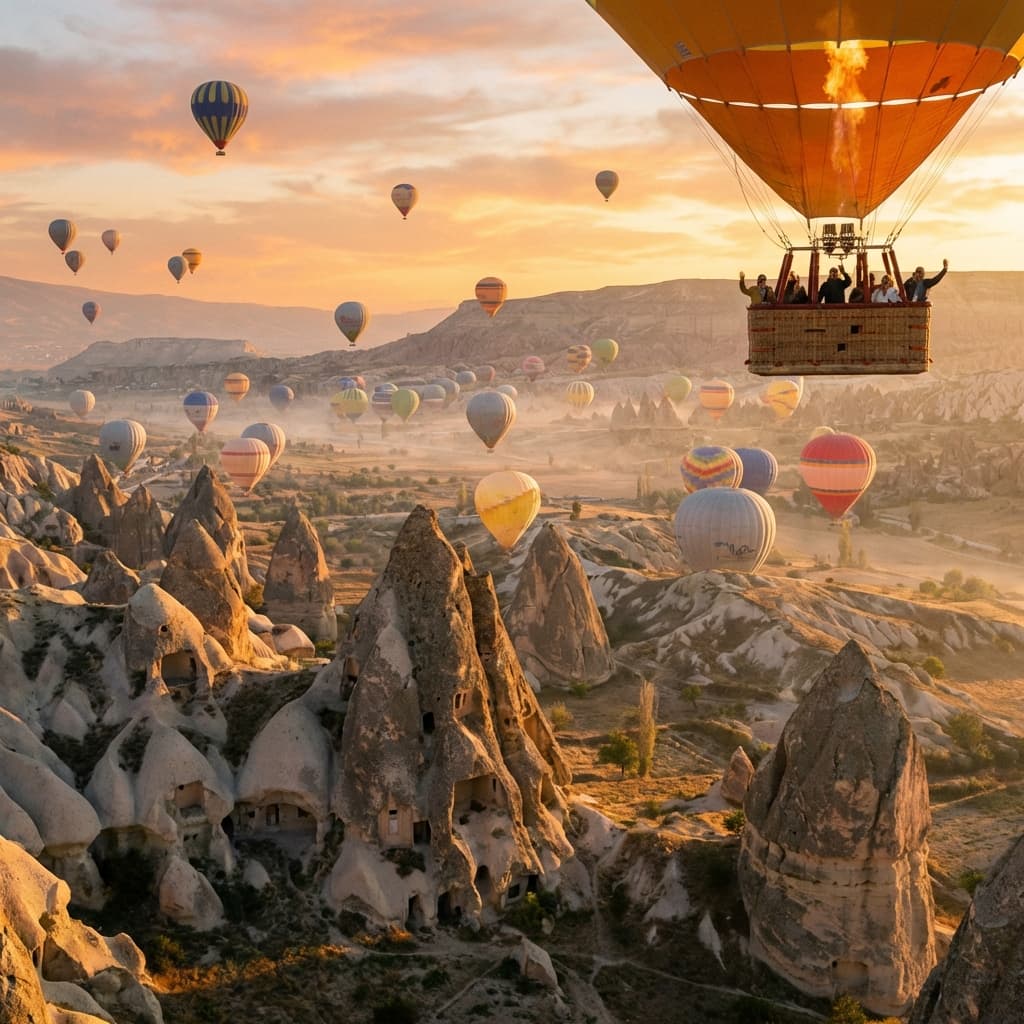
Cappadocia Travel Guide: Losing Yourself in the Land of Beautiful Horses
More than just hot air balloons. A complete guide to the underground cities, fairy chimneys, and ancient valleys of Turkey's magical region.
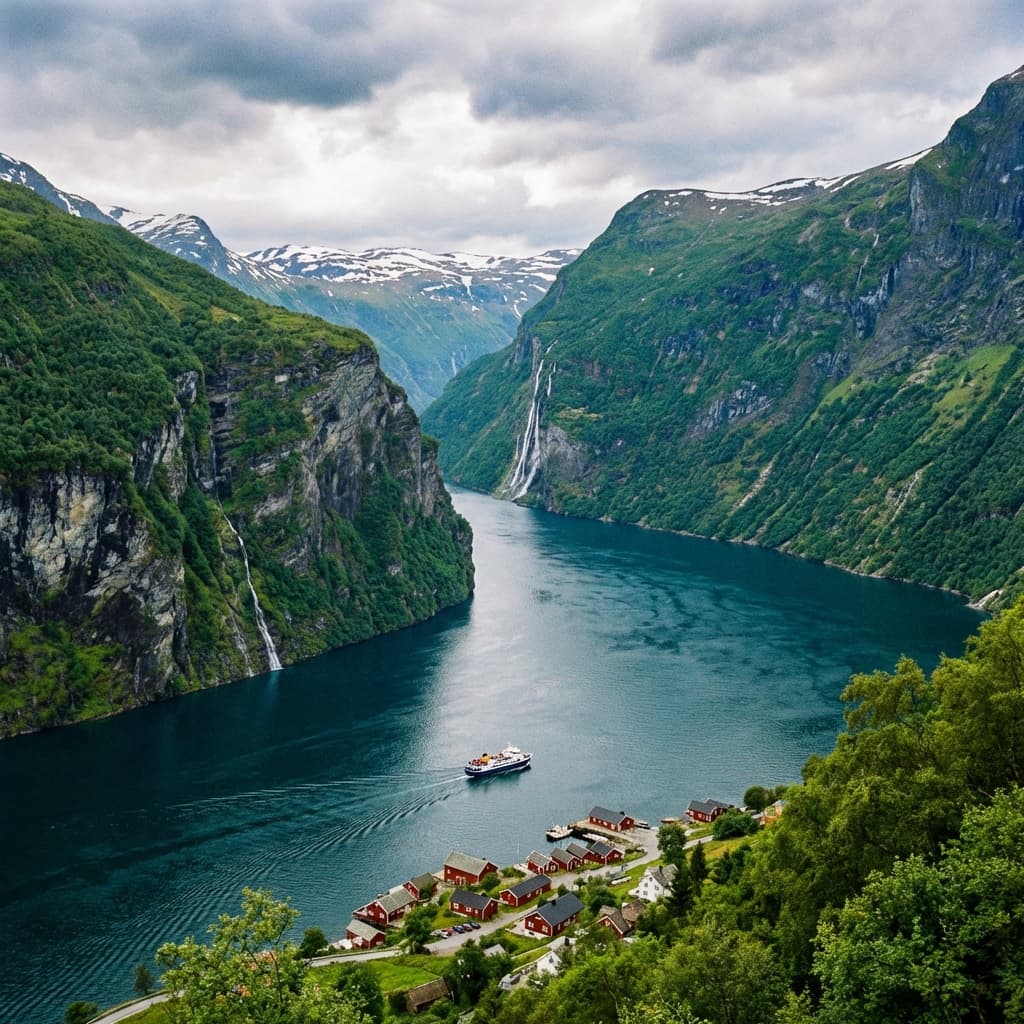
The Norwegian Fjords: A Journey Through Nature's Cathedral
Silence, cliffs, and deep blue water. Why Norway's fjords are the ultimate destination for finding peace in a chaotic world.

Patagonia: A Guide to the End of the World
Wind, granite, and ice. Exploring the raw, untamed wilderness of Chile and Argentina. This is not a vacation; it's an adventure.