The Ultimate Guide to the Amalfi Coast: Italy's Vertical Paradise

The Amalfi Coast (Costiera Amalfitana) is more than just a destination; it is a sensory overload. Suspended between the cobalt blue of the Tyrrhenian Sea and the jagged peaks of the Lattari Mountains, it is a place where gravity seems to have negotiated a truce with architecture. Pastel-colored villages cling to vertical cliffs like barnacles, lemon groves defy the slopes on ancient terraced gardens, and the air is perpetually salty and sweet.
A UNESCO World Heritage site since 1997, this 50-kilometer stretch of coastline in the Campania region is Italy’s most glamorous postcard. But beyond the Instagram fame, there is a deep history, a chaotic charm, and a rugged wildness waiting to be discovered. This guide will help you navigate the "Divine Coast" like a pro.
When to Go: Timing is Everything
The Amalfi Coast has a split personality depending on when you visit.
- Peak Season (July - August): The coast is vibrant, hot, and crowded. Ferries are full, hotel prices skyrocket, and the traffic on the single winding road can be gridlocked. If you love energy and nightlife, this is your time, but be prepared to budget accordingly.
- Shoulder Season (May-June & September-October): This is the golden window. The weather is warm enough for swimming (especially in September when the sea has heated up all summer), the crowds are manageable, and the lemons are lush.
- Off-Season (November - March): Many hotels and restaurants close for the winter. However, for hikers and solitude seekers, the dramatic winter skies and empty towns offer a unique, moody beauty.
Positano: The Jewel of the Coast
Positano is the poster child of the Amalfi Coast. Legend says it was founded by Poseidon for a nymph he loved, Pasitea. Today, it’s a vertical maze of boutiques, art galleries, and Bougainvillea-draped alleys.
Experience: Skip the main beach, Spiaggia Grande, if you want peace. Instead, take the cliffside path to Fornillo Beach. It’s smaller, more local, and has a more relaxed vibe.
Shopping: Positano is famous for "Moda Positano"—breezy linen clothes and handmade leather sandals. You can have a pair of sandals measured and made for your feet in under 30 minutes at local cobblers.
Amalfi: The Historic Powerhouse
Once a mighty Maritime Republic that rivaled Venice and Genoa, Amalfi is the historical heart of the coast. It feels more like a real town than a resort.
Must-See: The Duomo di Sant'Andrea dominates the main piazza with its striped Byzantine facade and massive bronze doors cast in Constantinople in 1060.
Hidden Gem: Visit the Museum of Paper (Museo della Carta). Amalfi gave Europe one of its first paper mills. You can still see water-powered machinery turning rags into thick, creamy stationery that is still used by the Vatican today.
Ravello: The City of Music
If Positano is for the eyes, Ravello is for the soul. Sitting 350 meters above the sea, completely removed from the beach chaos, it is an aristocratic refuge.
You must visit Villa Cimbrone. Its "Terrace of Infinity" (Terrazzo dell'Infinito) is lined with marble busts and offers a view so vast it feels like you are flying. It is arguably the best view in Italy. Every summer, the Ravello Festival hosts world-class concerts on a stage built over the cliff edge at Villa Rufolo—a tribute to Richard Wagner, who found inspiration for Parsifal here.
The Lesser-Known Gems: Atrani, Minori, and Cetara
Don't get stuck in the big three towns.
- Atrani: A 10-minute walk from Amalfi, it is Italy's smallest municipality. It’s a tangle of arches and stairways with a tiny, perfect piazza where locals actually live.
- Minori: Known as the "City of Flavor." Visit Sal De Riso, a world-famous pastry shop, to try the "Delizia al Limone" (Lemon Delight).
- Cetara: A genuine fishing village famous for Colatura di Alici, an amber-colored anchovy sauce that dates back to Roman times. It is the best place on the coast for authentic seafood pasta.
The Path of the Gods (Sentiero degli Dei)
The Amalfi Coast is best understood from above. This 7km hiking trail connects the mountain village of Agerola to Nocelle (above Positano). It offers dizzying views where the mountains crash into the sea.
Tip: Walk from Agerola towards Nocelle so the views of Positano and Capri are always in front of you. It’s a moderate hike, but bring water and start early to avoid the midday sun.
Getting Around: A Survival Guide
Driving: The SS163 is legendary for a reason. It is narrow, winding, and often blocked by buses squeezing past each other. Only drive if you are confident and have full insurance.
SITA Buses: The local blue buses are cheap but can be crowded. Be prepared to stand.
Ferries: The "Metrò del Mare" is the best way to travel. Hopping on a ferry from Amalfi to Positano gives you a view of the coastline that you can't get from the road. It’s faster, cooler, and stress-free.
Culinary Delights
You cannot leave without trying:
- Scialatielli ai Frutti di Mare: Thick, fresh pasta with local shellfish.
- Limoncello: The sfusato amalfitano lemons are huge and sweet enough to eat like apples. The liqueur made from them is the standard end to every meal.
- Sfogliatella Santa Rosa: A shell-shaped pastry filled with ricotta and candied fruit, invented by nuns in a convent near Conca dei Marini.
Test Your Knowledge
Based on this article, you might like these interactive tests.

Conversations (0)
Join Our Newsletter
Be the first to know about new articles and discoveries.
Share this article
You might also like

Cappadocia Travel Guide: Losing Yourself in the Land of Beautiful Horses
More than just hot air balloons. A complete guide to the underground cities, fairy chimneys, and ancient valleys of Turkey's magical region.
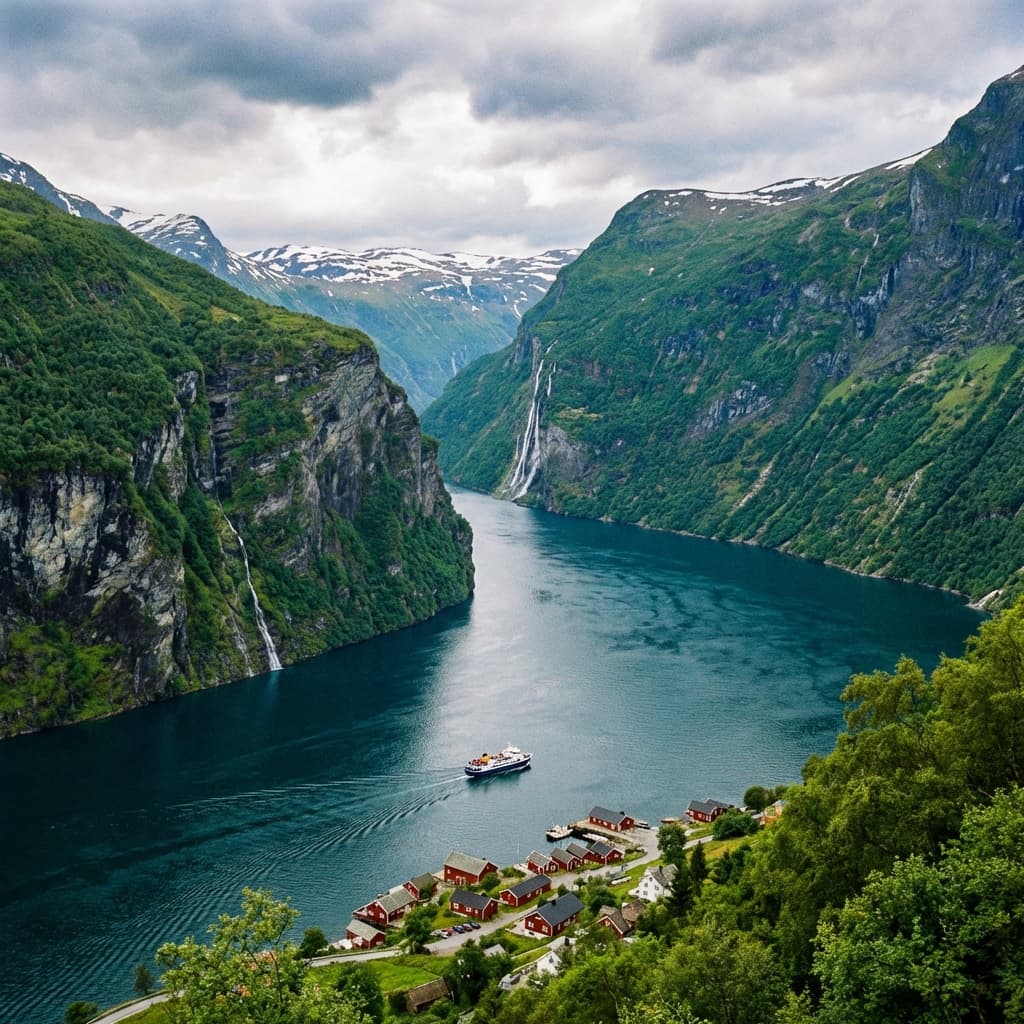
The Norwegian Fjords: A Journey Through Nature's Cathedral
Silence, cliffs, and deep blue water. Why Norway's fjords are the ultimate destination for finding peace in a chaotic world.
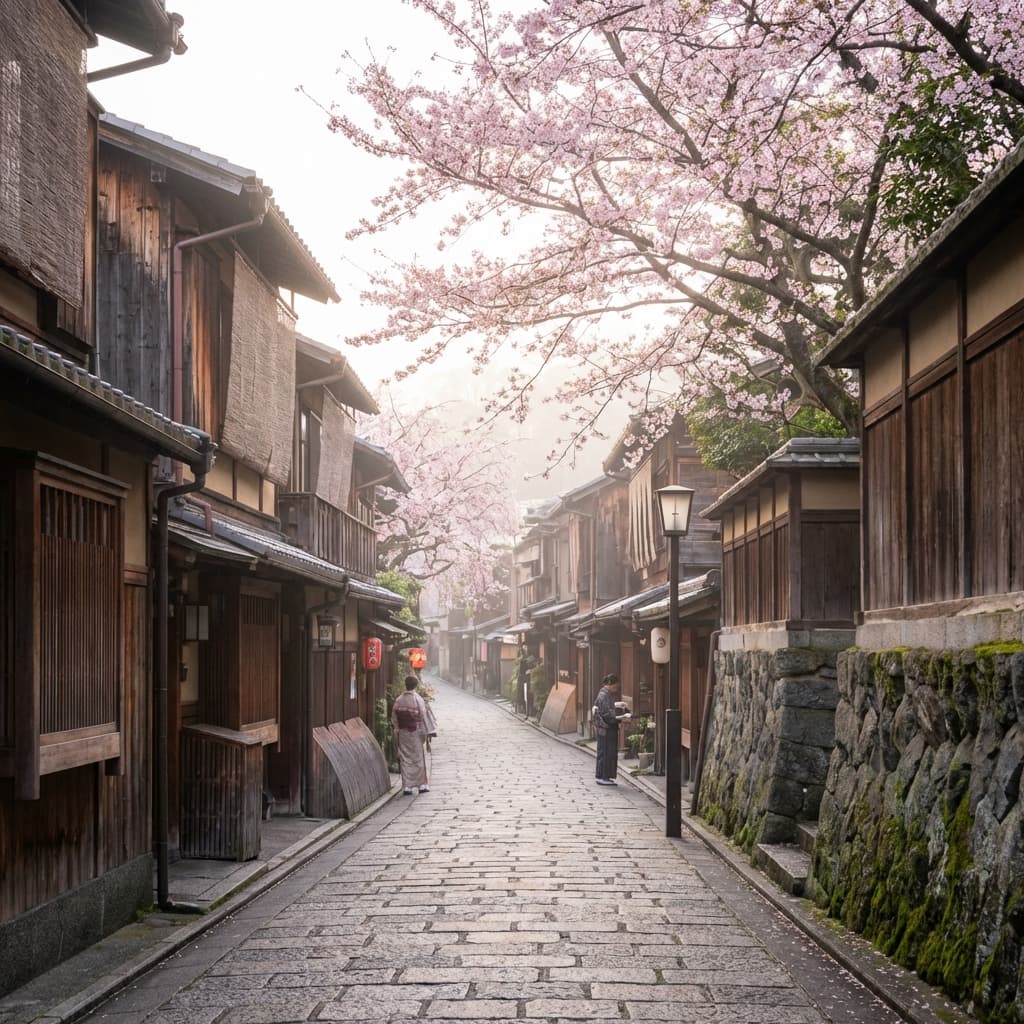
Hidden Japan: A Journey to the Villages Time Forgot
Beyond the neon chaos of Tokyo exists another Japan. Silence, moss, and shadows. Discover the secret hamlets where the Samurai spirit still lingers.